Multispeciality Care

Multispeciality Care

Joint Pain and Knee Problems in Perambur Senior Citizens: Complete Guide to Orthopedic Care

Introduction Watching a parent struggle to climb stairs, wince while standing up from a chair, or slow down on a walk they once enjoyed effortlessly is one of the most quietly painful experiences for adult children. In Perambur, Kolathur, Ayanavaram, and across North Chennai, knee pain and joint problems are among the most common health complaints among senior citizens — yet they’re often dismissed as “just part of getting old.”   The truth is more nuanced. Some joint pain is manageable with lifestyle changes and physiotherapy. Some requires medical intervention. And some, left untreated, can seriously limit independence and quality of life. If you’re searching for an orthopedic doctor in Perambur on behalf of a parent or grandparent — or noticing joint discomfort yourself — this guide walks you through everything: symptoms that matter, when physiotherapy is enough, when surgery becomes necessary, and what recovery actually looks like. Understanding Joint Pain in Senior Citizens Common Symptoms Persistent knee pain, especially when climbing stairs or standing after sitting Stiffness that’s worse in the morning or after rest Swelling around the knee or other joints A grinding or clicking sensation during movement Reduced range of motion Visible joint deformity in advanced cases Pain that disrupts sleep Causes and Risk Factors Joint pain in older adults is rarely caused by a single factor. Common contributors include: Osteoarthritis — wear-and-tear of cartilage over decades, the leading cause of knee pain in seniors Rheumatoid arthritis — an autoimmune condition causing joint inflammation Prior injuries — old fractures or ligament tears that resurface with age Obesity — added weight significantly increases knee joint stress Sedentary lifestyle — weakens supporting muscles around joints Vitamin D and calcium deficiency — common in older Indian adults, weakens bone density Genetics — family history of arthritis or joint disorders Diagnosis A proper orthopedic evaluation typically includes: Physical examination and mobility assessment X-rays to check joint space and bone alignment MRI scans for soft tissue, cartilage, or ligament damage (when needed) Blood tests to rule out inflammatory or autoimmune causes Treatment Options: Physiotherapy vs Surgery This is the single most common question families ask, and there’s no one-size-fits-all answer. Physiotherapy and conservative treatment are usually recommended first when: Pain is mild to moderate There’s no major structural joint damage The patient can still bear weight and move reasonably well Symptoms are early-stage This typically includes physiotherapy exercises, weight management, pain management medication, activity modification, and supportive devices like knee braces or walking aids. Surgical consultation becomes necessary when: Pain is severe and persistent despite physiotherapy There’s significant cartilage loss or bone-on-bone contact visible on imaging Joint deformity is affecting daily function Mobility is severely restricted, impacting independence Conservative treatment has been tried for a reasonable period without improvement Surgical options range from arthroscopic procedures for less severe damage to partial or total knee replacement for advanced arthritis. The decision is always individualized based on age, overall health, activity level, and imaging findings. Recovery Expectations Recovery timelines vary by treatment type: Physiotherapy-based recovery: gradual improvement over weeks to months, with consistency being key Arthroscopic procedures: typically a few weeks of recovery with guided rehabilitation Knee replacement surgery: hospital stay of a few days, followed by a structured physiotherapy program over several weeks to months for full functional recovery Lifestyle Modifications and Prevention Maintain a healthy weight to reduce joint load Stay active with low-impact exercises like walking or swimming Include calcium and Vitamin D-rich foods in the diet Avoid prolonged sitting or squatting on the floor for extended periods Use supportive footwear Get regular health checkups to catch joint issues early Emergency Warning Signs — Don’t Ignore These Seek prompt medical attention if there is: Sudden, severe joint pain with inability to bear weight Visible joint deformity after a fall Significant swelling with redness and warmth (possible infection) Fever accompanying joint pain Numbness or loss of sensation below the joint Common Myths vs Facts   Myth Fact Joint pain is a normal, untreatable part of aging Many causes of joint pain are manageable or treatable at any age Surgery is the only real solution for knee pain Most cases start with physiotherapy and conservative management Exercise worsens joint pain Appropriate low-impact exercise strengthens supporting muscles and reduces pain Knee replacement means permanent bed rest Most patients walk with support within days of surgery under guided rehab Joint pain only affects very old people Joint issues can begin as early as the 40s due to lifestyle and injury factors The Patient Journey: Symptoms → Diagnosis → Treatment → Recovery → Follow-up   Symptoms — Persistent or worsening joint discomfort prompts a visit Diagnosis — Clinical examination plus imaging (X-ray/MRI) confirms the cause Treatment — A personalized plan: physiotherapy, medication, or surgical intervention Recovery — Structured rehabilitation tailored to the treatment type Follow-up — Ongoing monitoring to track improvement and prevent recurrence When Should You Visit a Doctor? Don’t wait for pain to become unbearable. Book a consultation if joint pain: Persists for more than 2–3 weeks Interferes with daily activities like walking, climbing stairs, or standing Is accompanied by swelling or stiffness Has been “managed” with home remedies without real improvement Questions Patients Often Ask But Competitors Miss What symptoms should not be ignored? Sudden severe pain, joint deformity, inability to bear weight, or swelling with fever should never be self-managed — seek evaluation promptly. How long is recovery after knee treatment? It depends entirely on the treatment type — ranging from a few weeks for physiotherapy-based improvement to a few months for full recovery after surgery. What tests are required for diagnosis? Typically a physical exam plus X-ray; MRI or blood tests may be added depending on findings. What should I bring to my appointment? Prior medical records, any existing X-rays/scans, a list of current medications, and a written summary of symptoms and their duration. Is the treatment affordable? Treatment plans are tailored to the patient’s condition and discussed transparently before proceeding, with options considered based on severity and need. Can

Multispeciality Care

Chest Pain in Perambur? Here’s When It’s a Heart Attack and When It’s Not

Introduction Chest pain is one of the most frightening symptoms a person can experience. Whether it strikes at two in the morning or in the middle of a busy workday in Perambur, the first thought that rushes through most minds is the same — is this my heart? The honest answer is that chest pain can come from many different sources. It can be a sign of a heart attack. It can also be caused by gas, acidity, a muscle pull, anxiety, or a lung-related problem. The challenge is that distinguishing between these causes without a medical evaluation is dangerous — because when it is a heart attack, every single minute counts. For adults above the age of 35 living in Perambur, Kolathur, Ayanavaram, Madhavaram, Vyasarpadi, and surrounding North Chennai neighbourhoods, particularly those managing diabetes, hypertension, or high cholesterol, knowing how to respond to chest pain can be the difference between a full recovery and a life-altering event. This article will help you understand the key differences between cardiac and non-cardiac chest pain, identify the warning signs that demand immediate action, and know exactly when to reach a chest pain doctor in Perambur without hesitation. Why Chest Pain Demands Immediate Attention in North Chennai Cardiovascular disease is one of the leading causes of death among urban adults in Tamil Nadu. In densely populated North Chennai neighbourhoods like Perambur, Washermanpet, Otteri, Jamalia, and Periyar Nagar, lifestyle factors including high-salt diets, sedentary work, stress, and limited access to preventive cardiac care increase the risk significantly. The problem is that many adults in this region either delay seeking care because they assume the pain will pass, or they cannot quickly identify a reliable cardiology facility close to home. Both situations lead to dangerous outcomes when the cause turns out to be cardiac. Finding a cardiologist near Perambur quickly during a chest pain episode should never be a question. It should be a decision already made. Heart Attack Symptoms in Chennai: What They Actually Feel Like Understanding heart attack symptoms in Chennai and across urban India requires going beyond the textbook description. Many patients — particularly women and those with diabetes — experience heart attacks without the classic crushing chest pain. Classic Heart Attack Symptoms: A heavy pressure, squeezing, or tightness in the centre or left side of the chest is the most recognised symptom. This pain or discomfort may radiate to the left arm, jaw, neck, back, or upper abdomen. It is typically accompanied by breathlessness even without physical exertion, sweating that comes on suddenly without obvious reason, nausea or vomiting, a feeling of extreme unease or impending doom, and dizziness or light-headedness. Less Recognised Heart Attack Symptoms (Do Not Ignore These): Pain that feels more like indigestion or heartburn, unexplained extreme fatigue lasting several days before any obvious chest symptoms, discomfort in the upper back between the shoulder blades, shortness of breath without any chest pain at all, and a cold, clammy feeling with pale skin are all presentations that patients and even some families dismiss as minor. If any combination of these symptoms appears — especially in someone above 40 with known risk factors — do not wait. Seek emergency cardiac care in North Chennai immediately. Chest Pain vs Gas Pain: How to Tell the Difference This is one of the most searched questions among patients across Perambur and Chennai, and it deserves a clear, direct answer. Chest pain that is more likely cardiac: It feels like pressure, squeezing, heaviness, or tightness rather than a sharp or stabbing sensation. It does not change when you change body position. It does not improve with burping, antacids, or passing gas. It may worsen with physical activity or emotional stress. It radiates to the arm, jaw, or back. It is accompanied by sweating, breathlessness, or nausea. Chest pain that is more likely non-cardiac (gas, acidity, or muscular): It is sharp, stabbing, or burning in nature. It improves noticeably after burping, passing gas, or taking an antacid. It worsens when you press on a specific spot on your chest wall. It changes with changes in posture or breathing. It is accompanied by bloating, belching, or a sour taste in the mouth. However, here is the critical point — even experienced doctors require an ECG and blood tests to confirm whether chest pain is cardiac or not. Self-diagnosis based on symptom feel alone is unreliable and dangerous. If there is any doubt, visit a chest pain doctor in Perambur the same day. Common Causes of Chest Pain That Are Not Heart Attacks Understanding non-cardiac causes of chest pain helps reduce panic while reinforcing the importance of getting a proper diagnosis. Gastroesophageal Reflux Disease (GERD) and Acidity: Stomach acid flowing back into the oesophagus creates a burning sensation in the chest that can feel alarmingly similar to cardiac pain. This is extremely common in North Chennai adults given dietary habits. Costochondritis: Inflammation of the cartilage connecting the ribs to the breastbone causes chest wall pain that worsens with touch or deep breathing. It is not dangerous but requires evaluation to rule out cardiac causes. Anxiety and Panic Attacks: Anxiety-related chest tightness, rapid heartbeat, and breathlessness can closely mimic heart attack symptoms. Emotional or work-related stress — common in working adults in urban Perambur — is a frequent trigger. Pleuritis or Pulmonary Causes: Inflammation of the lining around the lungs, pneumonia, or pulmonary embolism (blood clot in the lungs) can all cause chest pain. A pulmonologist assessment may be required alongside cardiac evaluation. Muscle Strain: Heavy lifting, poor posture, or physical overexertion can cause chest muscle pain, particularly in labourers and individuals who engage in intense physical activity. None of these conditions should be self-managed without a proper diagnosis from a qualified doctor. Who Is at Highest Risk of Heart Attack in Perambur and North Chennai? Adults above 35 years with any of the following risk factors require both regular cardiac check-ups and immediate evaluation whenever chest pain occurs. High blood pressure or hypertension is one of

Multispeciality Care

Dengue and Viral Fever Surge in Chennai: When Perambur Families Should Rush to a Hospital

Introduction Every year, when the monsoon clouds gather over Chennai, families across Perambur, Kolathur, Vyasarpadi, Madhavaram, and Ayanavaram brace for something beyond the rains — the surge of dengue fever and viral infections that follow. The stagnant water, the rising humidity, and the explosion of mosquito breeding sites turn North Chennai neighbourhoods into seasonal hotspots for some of the most dangerous vector-borne illnesses. If someone in your family has been running a fever for more than two days, complaining of severe body pain, or showing unusual fatigue, this is not the moment to wait and watch. Knowing when to see a doctor for dengue fever in Chennai — and acting fast — can make a life-saving difference. This article will help Perambur families understand the warning signs of dengue and viral fever, when to rush to a hospital, what tests and treatments to expect, and how Guru Aadithya Hospital provides reliable, accessible care for North Chennai patients during this critical season. Why Dengue and Viral Fever Peak Every Monsoon in North Chennai Chennai’s monsoon season, which runs from June through December, creates ideal conditions for the Aedes aegypti mosquito — the primary carrier of the dengue virus. Areas like Perambur, Washermanpet, Otteri, Jamalia, Periyar Nagar, and Vyasarpadi have densely packed residential streets, older drainage infrastructure, and limited open green spaces. These factors combined mean water stagnates quickly after rains, and mosquito populations multiply rapidly. Viral fever during this season is not always dengue. It can also be caused by influenza, chikungunya, typhoid, leptospirosis, or other infections. But the challenge for most families is that many of these illnesses present with similar early symptoms — making it difficult to distinguish between a common cold and something that needs immediate medical attention. This is why timely evaluation by a viral fever doctor in Perambur matters enormously. Dengue Symptoms You Must Not Ignore Dengue fever typically appears four to ten days after a mosquito bite. Recognising dengue symptoms during Chennai’s monsoon season early is the first step toward preventing serious complications. Common Symptoms of Dengue Fever: Sudden high fever, often reaching 102°F to 104°F, is usually the first sign. This is accompanied by severe headache concentrated behind the eyes, intense muscle and joint pain (which gives dengue its older name “breakbone fever”), nausea and vomiting, skin rash appearing two to five days after fever onset, mild bleeding from the nose or gums, and profound fatigue and weakness. Symptoms of Severe Dengue (Dengue Hemorrhagic Fever) — Rush to Hospital Immediately: Severe abdominal pain, persistent vomiting more than three times in a day, rapid breathing, bleeding under the skin appearing as bruise-like patches, blood in urine or stools, cold or clammy skin, and extreme restlessness or drowsiness are all emergency warning signs. If any of these appear, do not wait — head directly to a fever hospital near Perambur without delay. What Causes Dengue and How It Spreads The dengue virus is transmitted exclusively through the bite of an infected Aedes mosquito. Importantly, dengue does not spread from person to person through touch, air, or sharing food. However, a single household can have multiple members infected if mosquitoes are breeding nearby. Viral fevers during monsoon season in Chennai are caused by a wide range of viruses and bacteria spread through mosquitoes, contaminated water, and respiratory droplets. Poor sanitation, open drains, and overcrowded living conditions — common in parts of North Chennai — increase the risk for families in Perambur, Madhavaram, Purasaiwalkam, and Villivakkam. Who Is at Highest Risk? While dengue can affect anyone, certain groups face higher risks of serious complications. Children under the age of ten are particularly vulnerable as their immune systems are still developing. Elderly individuals above sixty years often experience more severe illness. People with existing conditions such as diabetes, hypertension, asthma, or heart disease need close medical monitoring. Pregnant women with dengue face risks both to themselves and their unborn child. Anyone who has had dengue before is also at higher risk of severe dengue upon reinfection. For families in areas like Kolathur, Ayanavaram, and Perambur where multi-generational households are common, protecting both children and elderly members simultaneously during monsoon season becomes critical. Diagnosis: What Tests Are Required for Dengue? Early and accurate diagnosis is the cornerstone of effective dengue fever treatment in Perambur and across North Chennai. A trained doctor will begin with a thorough clinical examination followed by targeted laboratory investigations. Key Diagnostic Tests for Dengue: The NS1 Antigen Test is the most important early detection tool and gives reliable results in the first five days of fever. The Dengue IgM and IgG Antibody Tests confirm infection after day five. A Complete Blood Count (CBC) is performed daily to track platelet count and white blood cell levels. Liver function tests are done if the patient shows signs of liver involvement. An ultrasound abdomen may be advised to check for fluid accumulation around organs. Tracking dengue platelet count in a hospital in Perambur with proper monitoring facilities is essential, as a rapidly dropping platelet count signals the need for urgent intervention. Dengue Treatment: What to Expect There is currently no specific antiviral drug that cures dengue. Treatment is supportive and focuses on managing symptoms, preventing complications, and ensuring the body recovers safely. Outpatient Management (Mild Cases): Patients with mild dengue and stable platelet counts above 100,000 per microlitre can often be managed at home with medical supervision. This involves adequate rest, high fluid intake including oral rehydration solutions, paracetamol for fever and pain relief, and strict avoidance of aspirin and ibuprofen which can increase bleeding risk. Regular follow-up visits with platelet count monitoring every 24 to 48 hours are mandatory. Hospital Admission (Moderate to Severe Cases): When platelet counts drop below 50,000, when bleeding symptoms appear, or when the patient is unable to tolerate oral fluids, hospital admission becomes necessary. Intravenous fluid therapy is administered to maintain blood pressure and organ function. Platelet transfusions may be required in severe cases. Continuous monitoring of vital signs and blood parameters

Multispeciality Care

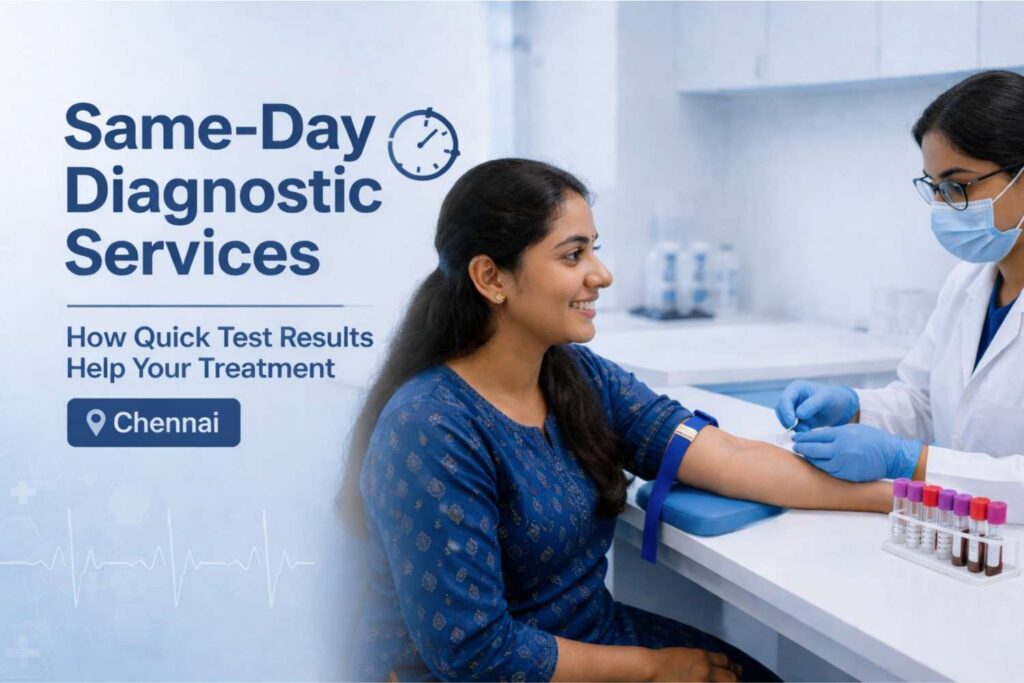
Same-Day Diagnostic Services: How Quick Test Results Help Your Treatment in Chennai

Introduction When you or a loved one falls ill, waiting days for test results can feel overwhelming. In a busy city like Chennai, timely and accurate diagnostic services Chennai patients can rely on are not just convenient — they are essential for effective treatment. Delays in diagnosis can sometimes mean delays in care, which is why same-day diagnostic services are becoming an important part of modern healthcare. Whether it is a routine blood test, an X-ray, or an ultrasound, getting results quickly allows your doctor to make informed decisions without unnecessary waiting. At Guru Aadithya Hospital in Perambur, we understand that time matters, and our diagnostic setup is designed to support faster, safer, and more confident clinical decisions for every patient. Why Fast Diagnosis Matters in Medical Care A diagnosis is the foundation of any treatment plan. Without knowing what is causing your symptoms, even the most experienced doctor cannot prescribe the right medication or recommend the correct procedure. This is where same-day lab tests and medical imaging play a critical role. Consider a patient visiting with fever, fatigue, and body aches. These symptoms can point to several conditions — from a simple viral infection to dengue, typhoid, or even a urinary tract infection. A same-day complete blood count (CBC), dengue NS1 antigen test, or urine culture can help the doctor identify the cause within hours and begin targeted treatment the same day. Similarly, in emergency situations — such as chest pain, abdominal discomfort, or breathing difficulty — quick access to ECG, X-ray, or blood enzyme tests can be life-saving. Delayed results in such cases can lead to complications that might otherwise be preventable. Common Diagnostic Tests and When You May Need Them Patients in Perambur, Kolathur, Vyasarpadi, Madhavaram, and surrounding areas of North Chennai often approach us with a wide range of health concerns. The following diagnostic services are among the most commonly required: Blood Tests: CBC, blood sugar (fasting and post-prandial), thyroid function, liver and kidney function tests, lipid profile Urine and Stool Analysis: Used to detect infections, kidney conditions, and digestive issues Medical Imaging: X-ray, ultrasound scan — helpful in diagnosing bone fractures, organ abnormalities, and pregnancy-related monitoring Cardiac Tests: ECG to detect irregular heart rhythms and other cardiac conditions Infection Screening: Dengue, malaria, typhoid, hepatitis markers — especially relevant in Chennai’s tropical climate You should consider visiting a diagnostic center when you experience persistent fever, unexplained fatigue, sudden weight loss, chest discomfort, abdominal pain, or when your doctor recommends routine health monitoring. The Role of Technology in Accurate Results   Modern diagnostic equipment significantly reduces the chances of error. Calibrated lab machines, trained lab technicians, and standardized testing protocols — aligned with ICMR and standard clinical laboratory guidelines — ensure that results are both fast and reliable. Accuracy is never compromised for speed. Patients should also understand that a diagnostic test result is always interpreted by a qualified doctor in the context of symptoms, medical history, and clinical examination. Self-interpretation of lab reports without a doctor’s guidance is not advisable. Guru Aadithya Hospital’s Approach to Diagnostics At Guru Aadithya Hospital, Perambur, our in-house diagnostic facility is integrated directly with our clinical team, enabling same-day lab test results for most routine investigations. This means your doctor receives your reports quickly and can discuss findings with you during the same visit — reducing the need for multiple trips to the hospital. Our diagnostic services support multiple departments including general medicine, pediatrics, orthopedics, cardiology, and pulmonology. The lab and imaging unit is managed by trained technicians following standardized protocols to maintain accuracy and patient safety. We serve patients from across North Chennai — including Kolathur, Vyasarpadi, and Madhavaram — and our central location near Perambur Railway Station makes us easily accessible by public transport. Our care philosophy is simple: every patient deserves timely answers and honest guidance. We do not recommend unnecessary tests, and our doctors explain every investigation in plain language so that patients feel informed, not confused. Conclusion Timely diagnosis is the first and most important step toward effective treatment. Whether you need a routine health check or a specific investigation recommended by your doctor, same-day diagnostic services at Guru Aadithya Hospital in Perambur can help you move forward faster with clarity and confidence. If you are in Chennai and looking for reliable, quick, and affordable diagnostic services, we are here to help. Speak with our medical team today, and let us support your health with the accuracy and care you deserve.  Call us at +91 7358600111 to book your diagnostic appointment.

Multispeciality Care

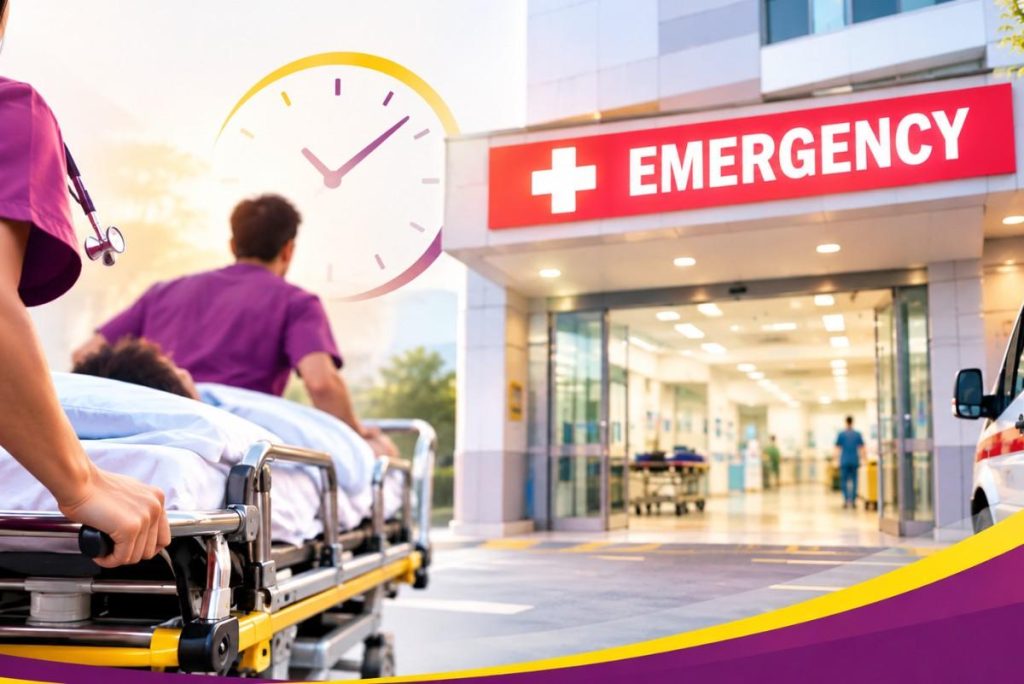
24/7 Emergency Care in Perambur: What Conditions Require Immediate Medical Attention?

Introduction Medical emergencies do not follow a schedule. They can happen at any hour, on any day, to anyone in the family. For residents of Perambur and North Chennai, knowing where to turn during a health crisis can make a critical difference in outcomes. Access to reliable emergency care Perambur families can count on around the clock is not a luxury but a genuine medical necessity. Yet many people are uncertain about which symptoms truly require an emergency visit and which can wait for a regular consultation. This uncertainty can sometimes lead to dangerous delays. Understanding the signs that demand immediate medical attention, and knowing that a trusted 24/7 hospital is nearby, can give families the confidence to act quickly and decisively when it matters most. Conditions That Require Immediate Emergency Attention Recognising a true medical emergency is the first and most important step in protecting a life. While any sudden or severe symptom warrants concern, certain conditions require you to seek emergency medical services near Perambur without delay. Chest pain or pressure is one of the most critical warning signs, particularly when accompanied by breathlessness, sweating, or pain radiating to the arm or jaw. These symptoms may indicate a heart attack and every minute of delay increases the risk of permanent heart muscle damage. Similarly, sudden numbness or weakness on one side of the body, facial drooping, slurred speech, or loss of balance are classic signs of a stroke and require immediate intervention. Difficulty breathing, whether caused by a severe asthma attack, allergic reaction, or other cause, is always an emergency. High fever with stiff neck, confusion, or sensitivity to light may suggest meningitis, which is a life-threatening infection. Severe abdominal pain, especially if sudden and intense, can indicate conditions such as appendicitis or internal bleeding that require urgent surgical evaluation. Head injuries following a fall or accident, particularly with loss of consciousness, vomiting, or disorientation, must be assessed immediately. Uncontrolled bleeding, deep wounds, fractures, and poisoning or suspected drug overdose are also situations that demand emergency room care without hesitation. For children, high fever with seizures, persistent vomiting, signs of dehydration, or any sudden change in behaviour or alertness should prompt an immediate visit to a 24-hour hospital in Chennai rather than a wait-and-watch approach at home. In Perambur and nearby areas including Kolathur, Vyasarpadi, and Madhavaram, dense residential populations mean that accidents, falls, and sudden health events are not uncommon. Having clarity on when to go to the emergency room in Chennai removes hesitation during high-stress moments and can be lifesaving. What to Expect When You Arrive at an Emergency Room A well-equipped emergency department follows a triage process, where patients are assessed and prioritised based on the severity of their condition. Critical cases are attended to immediately, while stable patients are seen in order of urgency. This system ensures that those who are most at risk receive the fastest care. Once assessed, the medical team will conduct relevant diagnostic tests such as ECG, blood investigations, imaging, or neurological evaluation depending on the presenting condition. Stabilisation is the immediate goal, followed by definitive treatment or admission for further care if required. Families are kept informed throughout the process so that anxiety is minimised during what is already a stressful time. Guru Aadithya Hospital’s Emergency Care Approach Guru Aadithya Hospital in Perambur operates a fully functional emergency department available 24 hours a day, seven days a week. The emergency team includes trained medical professionals equipped to manage a wide range of critical and urgent conditions across age groups, from infants to elderly patients. The department is supported by on-site diagnostic services including laboratory investigations and imaging, enabling rapid assessment without the delays of external referrals. Senior doctors are available for specialist consultation when needed, ensuring that complex cases receive appropriate expertise promptly. The hospital’s approach to emergency care is built around speed, accuracy, and compassionate communication. Patients and families are treated with dignity and kept informed at every stage. The facility is easily reachable from Kolathur, Vyasarpadi, Madhavaram, and other parts of North Chennai, reducing critical travel time during emergencies. Beyond acute care, the hospital provides seamless transition to inpatient departments, surgical services, or the ICU when ongoing management is required after initial stabilisation. Conclusion In a medical emergency, time is the most valuable resource. Knowing the warning signs, acting without delay, and having access to a reliable 24/7 emergency facility can save lives. Guru Aadithya Hospital is committed to being that trusted resource for families across Perambur and North Chennai. If you or someone you love experiences a sudden or severe health event, do not wait. Head to the emergency department at Guru Aadithya Hospital immediately or call ahead so the team can be prepared to receive you.

Multispeciality Care

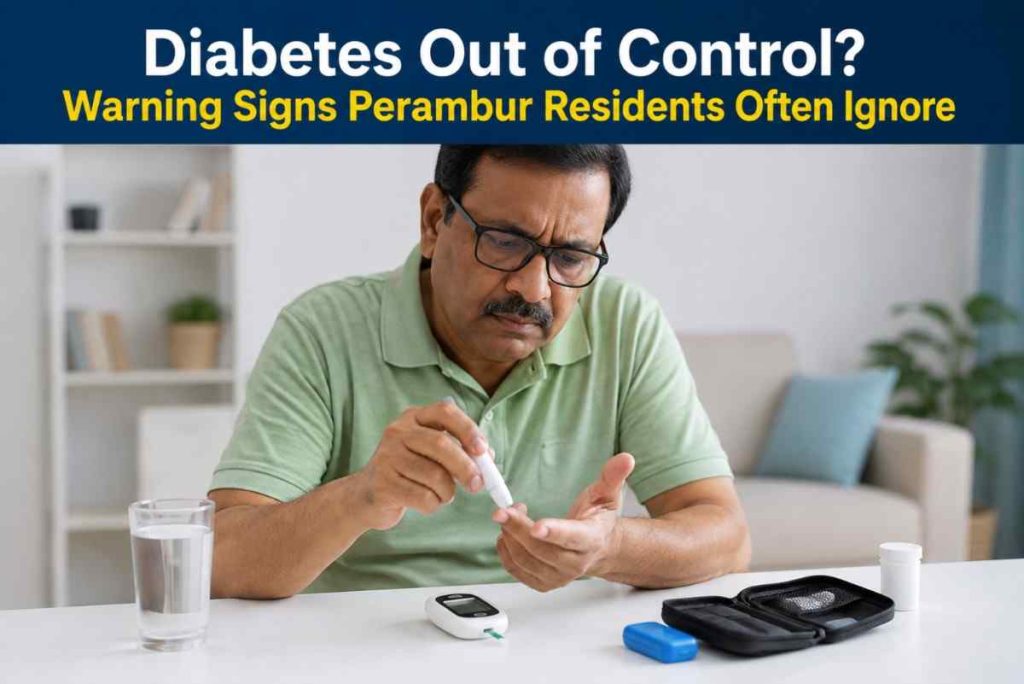
Understanding Diabetes Management: Your Questions Answered by Chennai’s Endocrinology Experts

Introduction Diabetes is one of the most widespread chronic health conditions in India, and Tamil Nadu consistently reports among the highest prevalence rates in the country. For many families in Perambur and across North Chennai, managing this condition on a daily basis can feel overwhelming. Questions about diet, medication, monitoring, and long-term complications are common, and they deserve clear, honest answers. Effective diabetes management Chennai patients need goes beyond controlling blood sugar numbers. It requires a comprehensive, personalised approach supported by qualified medical professionals. Whether you have been recently diagnosed or have been living with diabetes for years, understanding your condition and having the right medical support can significantly improve your health outcomes and quality of life. What Is Diabetes and Why Does It Need Ongoing Management? Diabetes is a chronic metabolic condition in which the body is either unable to produce sufficient insulin or cannot use it effectively. This leads to elevated blood glucose levels, which over time can damage blood vessels, nerves, kidneys, eyes, and the heart. There are two main types. Type 1 diabetes is an autoimmune condition where the pancreas produces little to no insulin, typically diagnosed in younger individuals. Type 2 diabetes is far more common and is closely linked to lifestyle factors such as physical inactivity, poor dietary habits, and obesity. Gestational diabetes occurs during pregnancy and requires careful monitoring to protect both mother and child. In Chennai, urbanisation, sedentary lifestyles, and dietary patterns heavy in refined carbohydrates have contributed to a significant rise in Type 2 diabetes across all age groups. This makes community-level awareness and access to a diabetes specialist hospital in Perambur increasingly important for residents of the area. Recognising the Signs and Knowing When to Seek Care Many people with Type 2 diabetes are unaware of their condition for years because early symptoms can be subtle. Common warning signs include increased thirst and frequent urination, unexplained fatigue, blurred vision, slow-healing wounds, and recurring infections. If you experience any of these, consulting an endocrinologist in Chennai for proper evaluation is strongly advised. Even if you have already been diagnosed, you should seek specialist review if your blood sugar levels remain consistently outside the target range, if you are experiencing side effects from medication, if you are planning a pregnancy, or if you develop any new symptoms such as numbness, chest pain, or vision changes. Diabetes Treatment and Monitoring Options Diabetes care and monitoring in Chennai follows established clinical guidelines that combine lifestyle changes, medication management, and regular screening for complications. A structured treatment plan typically includes the following components. Dietary counselling is a cornerstone of diabetes management. A registered dietitian or diabetes educator can help patients develop a sustainable eating plan that supports blood sugar control without eliminating enjoyment of food. Physical activity guidance is equally important, as regular moderate exercise improves insulin sensitivity and supports healthy body weight. Medication management ranges from oral medications such as metformin to injectable therapies including insulin, depending on the type and severity of diabetes. Advances in diabetes pharmacology now offer options that also protect kidney and heart health, which is particularly relevant given the high risk of cardiovascular disease among diabetic patients. Regular monitoring through HbA1c tests, kidney function panels, lipid profiles, eye examinations, and foot assessments are all part of comprehensive diabetes care. These help detect complications early, when intervention is most effective. Guru Aadithya Hospital’s Approach to Diabetes Care Guru Aadithya Hospital in Perambur offers a dedicated endocrinology and diabetes care service designed to support patients at every stage of their condition. The hospital brings together experienced endocrinologists, dietitians, and trained diabetes care educators who work as a team to deliver coordinated, patient-centred care. Each patient receives a thorough initial assessment including relevant diagnostic investigations, followed by a personalised management plan. The hospital’s approach emphasises education alongside treatment, empowering patients to understand and take an active role in managing their own health. Modern diagnostic equipment supports accurate and timely evaluation, while ongoing follow-up consultations ensure that treatment plans are adjusted as needed over time. The hospital is conveniently located in Perambur and is easily accessible for patients from Kolathur, Vyasarpadi, Madhavaram, and surrounding areas of North Chennai. The team is committed to ethical, evidence-based practice and transparent communication, helping patients and their families navigate diabetes with confidence rather than fear. Conclusion Diabetes is a lifelong condition, but with the right support it is entirely manageable. Many patients across Chennai lead full, healthy lives by staying informed, making consistent lifestyle choices, and working closely with their healthcare team. If you are living with diabetes or are concerned about your risk, the endocrinology team at Guru Aadithya Hospital in Perambur is here to help. Reach out today to schedule a consultation and take a confident, informed step toward better long-term health.

Multispeciality Care

Knee Pain Won’t Go Away? When to See an Orthopedic Doctor in Perambur

Introduction Knee pain is one of the most common health complaints among people of all age groups in India. Whether it starts as a mild ache after a long walk or a sharp pain that stops you from climbing stairs, persistent knee pain should never be ignored. For many residents of Perambur and North Chennai, the challenge is knowing when to manage it at home and when to see an orthopedic doctor in Perambur for proper evaluation. If your knee pain has lasted more than a few weeks, is getting worse, or is affecting your daily routine, it is time to seek professional medical advice. Early diagnosis can prevent a minor problem from becoming a serious one. Understanding Knee Pain and Its Common Causes The knee is the largest and most complex joint in the human body. It supports your body weight, enables movement, and absorbs impact during daily activities. Because of this, it is highly vulnerable to injury and wear over time. Some of the most common causes of knee pain include osteoarthritis, which is especially prevalent among adults over 40, ligament injuries from sudden movements or falls, meniscus tears caused by twisting the knee, tendinitis from repetitive strain, and bursitis or fluid accumulation around the joint. In younger patients, sports injuries and overuse are frequent causes, while older adults more often experience pain related to joint degeneration. In Perambur and surrounding areas like Kolathur, Vyasarpadi, and Madhavaram, many people work in physically demanding occupations or spend long hours on their feet. This increases the risk of knee stress and joint-related problems over time. When Should You See an Orthopedic Doctor for Knee Pain? Not every knee ache requires a hospital visit, but certain signs clearly indicate that you need professional evaluation. You should consult a joint pain doctor if your knee pain has persisted for more than two to three weeks without improvement, if there is visible swelling, redness, or warmth around the joint, if you experience difficulty bending or straightening the knee, if you heard a popping sound during an injury, or if the pain is severe enough to disrupt sleep or walking. Delaying care can sometimes lead to further joint damage, reduced mobility, or the need for more complex treatment later. A Chennai orthopedic specialist can assess the root cause and recommend a treatment plan that is right for your specific condition. Diagnosis and Knee Pain Treatment Options When you visit an orthopedic clinic, your doctor will begin with a thorough physical examination followed by imaging tests such as X-rays or MRI scans, depending on the severity of your symptoms. Blood tests may also be recommended to rule out conditions like rheumatoid arthritis or gout. Knee pain treatment varies based on the diagnosis. Conservative options include physiotherapy and targeted exercises to strengthen the muscles around the knee, anti-inflammatory medications to manage pain and swelling, lifestyle modifications such as weight management and low-impact physical activity, and supportive devices like knee braces or orthotics. For cases that do not respond to conservative care, minimally invasive procedures such as corticosteroid injections or platelet-rich plasma therapy may be considered. In advanced cases of joint degeneration, surgical options like arthroscopy or total knee replacement may be recommended after a thorough discussion with the patient. The goal of any knee pain treatment is to restore function, reduce pain, and improve the patient’s quality of life in a safe and evidence-based manner. Guru Aadithya Hospital’s Approach to Orthopedic Care Guru Aadithya Hospital, located in Perambur, Chennai, offers comprehensive orthopedic care for patients across North Chennai. The hospital’s orthopedic department is equipped to manage a wide range of musculoskeletal conditions, from acute sports injuries to chronic joint disorders. The medical team includes experienced orthopedic specialists who take a patient-centered approach to diagnosis and treatment. Each patient receives a personalised care plan based on their medical history, lifestyle, and treatment goals. The hospital uses modern diagnostic equipment to ensure accurate and timely evaluation. Beyond the orthopedic department, Guru Aadithya Hospital offers integrated support through physiotherapy, pain management, and rehabilitation services that aid recovery after treatment or surgery. The hospital is easily accessible from nearby neighborhoods including Kolathur, Vyasarpadi, and Madhavaram, making it a convenient option for families across North Chennai. The team believes that transparent communication, ethical medical practice, and ongoing patient support are as important as clinical expertise in delivering truly effective healthcare. Conclusion Chronic knee pain is not something you have to simply live with. With the right diagnosis and a structured treatment plan, significant improvement is possible at any age. If you or a family member in Perambur or North Chennai has been experiencing persistent knee pain, do not wait for it to worsen. Reach out to the orthopedic team at Guru Aadithya Hospital for a professional evaluation. Taking that first step toward consultation could make a meaningful difference in your mobility, comfort, and overall quality of life.

Multispeciality Care

Knee Pain Treatment in Perambur, Chennai: Causes, Symptoms & When to See an Orthopaedic Doctor

Introduction Knee pain affects millions of people across all age groups, limiting mobility and impacting daily activities. Whether you’re experiencing discomfort while climbing stairs, persistent pain after physical activity, or sudden injury-related knee problems, finding the right knee pain treatment in Perambur Chennai is essential for your recovery and long-term joint health. At Guru Aadithya Hospital, we understand how knee pain can affect your quality of life. Our experienced orthopaedic team provides comprehensive diagnosis and treatment for various knee conditions, helping patients from Perambur, Kolathur, Vyasarpadi, and surrounding North Chennai areas regain their mobility and return to normal activities. Understanding Knee Pain: Common Causes Understanding Knee Pain: Common Causes Knee pain can result from various factors, ranging from acute injuries to chronic degenerative conditions. Understanding the underlying cause is crucial for effective treatment. Injury-Related Causes: Ligament tears (ACL, MCL, PCL) Meniscus injuries Fractures or dislocations Sports-related injuries Accidents or falls Degenerative Conditions: Osteoarthritis (wear and tear of joint cartilage) Rheumatoid arthritis (inflammatory joint disease) Tendinitis (inflammation of tendons) Bursitis (inflammation of fluid-filled sacs) Other Contributing Factors: Obesity putting excess pressure on knee joints Poor posture and improper movement patterns Age-related cartilage degeneration Overuse from repetitive activities Underlying medical conditions affecting joint health Recognizing Knee Pain Symptoms Early recognition of symptoms helps in timely intervention and better treatment outcomes. Common knee pain symptoms include: Persistent pain that worsens with activity Swelling and inflammation around the knee joint Stiffness and reduced range of motion Instability or feeling that the knee might “give out” Clicking, popping, or grinding sounds during movement Redness and warmth around the affected area Difficulty bearing weight or walking Pain that disrupts sleep or daily activities When Should You See an Orthopaedic Doctor? While minor knee discomfort may resolve with rest, certain symptoms require immediate medical attention. Consult an orthopaedic specialist if you experience: Severe pain that doesn’t improve with rest Inability to bear weight on the affected leg Significant swelling or visible deformity Knee pain accompanied by fever Symptoms persisting beyond a few days Recurrent knee pain affecting mobility Pain following a traumatic injury or accident Early diagnosis prevents complications and improves treatment success rates. Delaying consultation may lead to progressive joint damage requiring more intensive interventions. Diagnostic Approach and Treatment Options Comprehensive Diagnosis: Modern orthopaedic care begins with thorough evaluation, including physical examination, medical history assessment, and advanced imaging studies such as X-rays, MRI scans, or CT scans to determine the exact cause and severity of knee pain. Conservative Treatment Methods: Many knee conditions respond well to non-surgical interventions: Physiotherapy and strengthening exercises Medications for pain and inflammation management Joint injections for targeted relief Activity modification and lifestyle changes Weight management programs Use of supportive devices like braces Surgical Interventions: When conservative methods are insufficient, surgical options include: Arthroscopic surgery for minimally invasive joint repair Ligament reconstruction procedures Meniscus repair or partial removal Knee replacement surgery for advanced arthritis Corrective procedures for alignment issues The treatment approach is always personalized based on the patient’s condition, age, activity level, and overall health status. Local Healthcare Access in Perambur For residents of Perambur and North Chennai areas, accessing quality orthopaedic care is now more convenient. Patients from Kolathur, Vyasarpadi, Madhavaram, and neighboring localities can receive specialized knee pain treatment without traveling far from home. This accessibility ensures timely medical intervention and easier follow-up care. Guru Aadithya Hospital’s Orthopaedic Care Approach Guru Aadithya Hospital has established itself as a trusted multi-speciality healthcare provider in Perambur, Chennai, offering comprehensive orthopaedic services with a patient-centered approach. Expert Medical Team: Our orthopaedic department comprises experienced surgeons and physicians specializing in joint disorders, sports injuries, and trauma care. They stay updated with the latest treatment protocols and surgical techniques to deliver optimal patient outcomes. Advanced Infrastructure: The hospital features modern diagnostic facilities including digital X-ray, MRI capabilities, and well-equipped operation theaters for both minor procedures and major surgeries. Our physiotherapy unit provides rehabilitation support for complete recovery. Comprehensive Care Services: Beyond diagnosis and treatment, we offer: 24/7 emergency orthopaedic services Pre and post-operative care Pain management programs Rehabilitation and physiotherapy Regular follow-up consultations Patient education and preventive care guidance Patient-First Philosophy: We believe in transparent communication, involving patients in treatment decisions, and providing compassionate care throughout the healing journey. Our approach emphasizes not just treating the condition but supporting overall patient wellbeing. Conclusion Knee pain shouldn’t limit your life or prevent you from enjoying daily activities. With proper diagnosis and timely treatment, most knee conditions can be effectively managed, allowing you to return to normal function and improved quality of life. If you’re experiencing persistent knee pain or related symptoms, don’t delay seeking professional help. Early intervention often leads to better outcomes and may prevent the need for more extensive treatments later. Take the Next Step: Schedule a consultation with our orthopaedic specialists at Guru Aadithya Hospital, Perambur, Chennai. Our team is ready to evaluate your condition, answer your questions, and develop a personalized treatment plan that addresses your specific needs. Contact us today to book your appointment and start your journey toward pain-free mobility.

Multispeciality Care

Choosing Guru Aadithya Hospital’s Pediatric Department in Perambur for Your Child’s Health

As a parent, your child’s health is your top priority. From their first steps to their teenage years, children need specialized, compassionate care that evolves as they grow. At Guru Aadithya Hospital in Perambur, we understand the unique medical needs of children and the deep trust you place in your child’s doctor. Our Pediatric Department is built on one simple promise: to care for your child as if they were our own. Pediatric Care That Grows With Your Child Children aren’t just small adults—they require tailored medical attention that takes into account their developing bodies, minds, and emotions. At Guru Aadithya Hospital, our pediatric services span the full spectrum of care, from newborn assessments and vaccinations to adolescent health and chronic condition management. Why Choose a Dedicated Pediatric Hospital Department? Pediatrics is more than treating coughs and colds. It’s about creating a comfortable environment where children feel safe and parents feel heard. Our pediatricians are trained not just in clinical skills but in child-friendly communication, emotional support, and family education. This helps ease anxiety for both child and parent, especially during stressful times. What Makes Guru Aadithya’s Pediatric Department Stand Out? We believe that excellence in pediatric care comes from a mix of clinical expertise, modern technology, and genuine warmth. Here’s what sets our pediatric department apart: 1. Experienced and Compassionate Pediatricians Our team is led by senior pediatricians with years of experience in handling everything from routine childhood illnesses to complex pediatric cases. Whether it’s managing high fevers, allergic reactions, asthma, or neonatal jaundice, our doctors provide expert treatment with a calming presence. 2. Child-Friendly Facilities We’ve designed our pediatric OPD and inpatient areas to be bright, clean, and welcoming for children. We know that a cheerful space can make all the difference in how a child experiences medical care. From kid-friendly examination rooms to toys and colorful décor, every detail is thoughtfully planned. 3. Comprehensive Pediatric Services We provide a full range of pediatric services, including: Newborn care and postnatal screening Childhood immunizations as per the national and international schedules Growth and developmental assessments Treatment of infections, fevers, and respiratory issues Nutritional and feeding guidance Management of chronic conditions like asthma, diabetes, and epilepsy Adolescent care, including puberty counselling and mental health support 4. 24×7 Pediatric Emergency Support Children can fall sick suddenly—and parents shouldn’t have to wait till morning. Our pediatric emergency team is available round the clock to handle urgent conditions like high fever, convulsions, breathing difficulties, injuries, or allergic reactions. Our NICU and PICU units are well-equipped to handle critical newborn and pediatric cases with specialized monitoring and care. 5. Multidisciplinary Coordination If your child requires care from other departments—ENT, dermatology, orthopaedics, or general surgery—we ensure smooth coordination within the hospital. Your child’s treatment is integrated and seamless, with all specialists working together to ensure the best outcomes. 6. Parent Empowerment and Support We don’t just treat—we educate. Our pediatricians take time to explain diagnoses, medications, vaccination schedules, and dietary recommendations in simple terms. We also run parenting and health education sessions, especially for first-time parents, to help you feel confident and informed. Trusted by Families Across Perambur For families in Perambur and surrounding areas like Sembium, Ayanavaram, Kolathur, and Vyasarpadi, Guru Aadithya Hospital has become a trusted name for pediatric care. Parents keep coming back to us not only for our expertise but because they know their child will be treated with patience, kindness, and professionalism every time. Give Your Child the Gift of Expert, Compassionate Care At Guru Aadithya Hospital, we believe every child deserves to grow up healthy, strong, and happy. When you choose our Pediatric Department, you’re choosing a partner who will walk with you through every milestone—from infancy to adolescence. Book your consultation today or walk in for an appointment. Because when it comes to your child’s health, you deserve care that’s close, caring, and committed.

Multispeciality Care

Comprehensive Care Close to Home

When it comes to healthcare, most people want three things: expertise, empathy, and easy access. Guru Aadithya Hospital in Perambur delivers all that and more. With a commitment to patient-first care, state-of-the-art facilities, and a team of experienced doctors across specialties, Guru Aadithya Hospital has become a name trusted by thousands of families in North Chennai and beyond.   A Trusted Name in Perambur Founded with the vision of offering world-class healthcare at accessible costs, Guru Aadithya Hospital has grown into a multi-specialty hub for diagnostics, treatment, and recovery. Located in the heart of Perambur, the hospital is strategically positioned to serve both the local community and neighboring areas.Over the years, the hospital has built a strong reputation based on consistent outcomes, ethical practices, and a deeply personal approach to healing. Whether you’re walking in for a regular check-up or being admitted for surgery, you can expect to be treated with dignity, respect, and compassion. Advanced Medical Facilities with a Human Touch Guru Aadithya Hospital seamlessly combines modern medical technology with the timeless values of care and concern. Patients benefit from fully equipped diagnostic labs, advanced imaging systems, modular operation theatres, and 24×7 emergency and pharmacy services. Round-the-Clock Emergency Services Accidents and illnesses don’t follow a schedule — and neither does Guru Aadithya Hospital’s emergency care team. With trained trauma specialists, rapid response systems, and critical care units, the hospital is always ready to respond when every second counts. Multispecialty Expertise Under One Roof Guru Aadithya Hospital houses a wide array of departments and experienced consultants, including: General Surgery : From appendectomies to hernia repairs, performed with precision. Orthopaedics : Expert care for fractures, joint pain, and sports injuries. Pediatrics : Compassionate care for children, from newborns to teens. Pulmonology : Advanced care for asthma, COPD, and respiratory infections. Urology : Minimally invasive solutions for urinary issues. Oncology : Chemotherapy, Radiation therapy and Surgical oncology services. ENT : Comprehensive ear, nose, and throat services. General Medicine : Management of lifestyle conditions like diabetes, hypertension. Plastic Surgery : Both reconstructive and aesthetic procedures. Dermatology : Skin, hair, and cosmetic dermatology treatments. Eye Care : Vision testing, cataract surgery, and advanced ophthalmology services. Each department is helmed by specialists with years of experience and a track record of successful treatments. Patient-Centric Approach at Every Step What truly sets Guru Aadithya Hospital apart is its unwavering focus on patient comfort and safety. From minimal waiting times to personalized consultations, every aspect of the hospital’s operations is designed with the patient in mind. Clean, well-ventilated wards Friendly and helpful support staff Clear and affordable billing Regular follow-ups and patient education This approach has helped the hospital earn not only medical accolades but also deep trust within the community. Healing Begins with Accessibility One of the biggest advantages of Guru Aadithya Hospital is its location. For residents of Perambur and nearby neighborhoods like Kolathur, Vyasarpadi, Sembium, and Ayanavaram, it means they no longer need to travel far for quality healthcare. Appointments can be booked easily via phone or in-person, and the hospital is well-connected by road and rail. This convenience, coupled with the hospital’s commitment to high-quality care, has made it the first choice for thousands of patients. Choose Guru Aadithya Hospital — Where Compassion Meets Clinical Excellence At Guru Aadithya Hospital, healing isn’t just about medicines and machines. It’s about people — about understanding, listening, and supporting every patient on their journey to better health. If you or a loved one needs expert medical attention, don’t delay. Whether it’s a routine health check, a surgical need, or emergency care — you’ll find comprehensive care, close to home. Call us today to book your appointment or walk in for a consultation. We’re here when you need us most.

Scroll to Top